 Isaiminia World Breaking News & Top Stories
The world of digital content creation has evolved at a rapid pace over the past few years. Whether you are producing video essays for online platforms, documenting travel adventures, filming commercial projects, or creating independent indie films, having the right gear is essential to bringing your creative vision to life. High-quality production values are no longer reserved just for Hollywood studios. Today, creators have access to powerful filming equipment that fits a wide range of budgets and production needs.
When it comes to selecting reliable filming gear, Canon has consistently remained a trusted choice for creators across the globe. Known for vibrant color science, dependable autofocus systems, and user-friendly interfaces, their range of imaging tools helps creators focus on storytelling without getting bogged down by overly complex technical hurdles. In this guide, we will explore some of the top options available for content creators who are looking to upgrade their production setup.
Understanding Your Production Needs
Before investing in new equipment, it is important to analyze what kind of content you plan to create. A solo travel vlogger requires a setup that is vastly different from a filmmaker producing scripted short films with a full crew.
For creators who value portability and quick setups, compact systems offer high mobility. These setups allow you to shoot on the go without carrying heavy support gear. On the other hand, studio-based creators or commercial filmmakers often prioritize features like advanced connectivity, long recording times without overheating risks, built-in neutral density filters, and dual card slots for instant data backup.
The Versatility of Modern Video Cameras
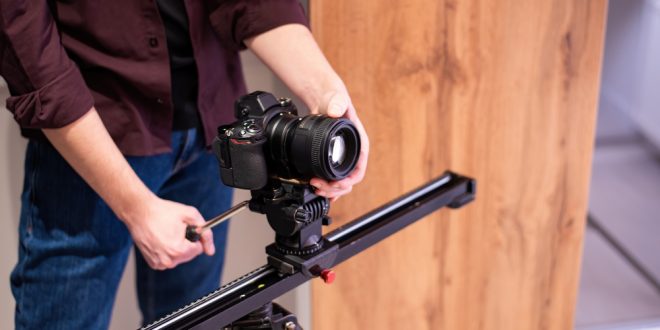
If you are looking for an all-in-one solution or a hybrid setup that excels at both stills and moving images, exploring dedicated video cameras is a great starting point. Hybrid mirrorless models have revolutionized the industry by offering large sensors in relatively small camera bodies.
Models in the Canon EOS R system, such as the EOS R5 C or the EOS R6 Mark II, offer exceptional flexibility. They allow creators to shoot high-resolution video with impressive dynamic range. Canon’s Dual Pixel CMOS Autofocus is widely considered one of the best tracking systems in the industry, making it significantly easier for solo creators to keep themselves or moving subjects sharply in focus.
Additionally, using video cameras with interchangeable lens systems opens up endless creative possibilities. You can switch between wide-angle lenses for immersive vlogs, fast prime lenses for soft background blur, or telephoto lenses to capture crisp detail from a distance.
Stepping Up to Cinema Cameras
For filmmakers and production houses looking for cinema-grade results, standard mirrorless cameras might sometimes feel limiting in terms of ergonomics and professional inputs. This is where dedicated cinema cameras come into play.
The Canon Cinema EOS lineup, including models like the Cinema EOS C70, EOS C300 Mark III, and EOS C500 Mark II, is specifically engineered for high-end digital film production. These cameras are built to handle demanding workflow requirements. They feature dedicated mounting points, professional audio inputs like XLR, full-sized HDMI or SDI outputs, and internal neutral density filters that allow operators to control exposure instantly without changing shutter speeds or apertures.
Furthermore, cinema cameras excel in thermal management. Active cooling systems ensure that you can record continuously for long events, interviews, or feature films without worrying about the camera shutting down due to heat. The inclusion of professional log profiles, such as Canon Log 2 and Canon Log 3, provides maximum dynamic range, giving colorists immense flexibility during the post-production stage.
Key Features to Look For
Whether you choose a compact hybrid model or a dedicated cinema rig, keep these essential features in mind when selecting your gear:1. Image Stabilization: In-body image stabilization combined with lens stabilization helps eliminate unwanted camera shake, making handheld footage look smooth and professional.
- Audio Options: Great video content requires great audio. Look for setups that support external microphones via 3.5mm inputs or XLR handles.
- Monitor Capabilities: A vari-angle flip-out screen is crucial for self-shooting, while support for external monitors helps precise framing and focusing on larger sets.
- Battery Life and Power Options: Ensure your gear supports continuous power via USB-C or standard professional batteries so your shoots run uninterrupted.Final Thoughts
Choosing the right production tools comes down to balancing your creative ambitions, workflow preferences, and budget. By selecting the right gear from trusted lineups like Canon, content creators can elevate their production quality and deliver engaging, high-resolution visual experiences to their audience. Focus on your storytelling, invest in the right tools, and let your creativity take center stage.