 Isaiminia World Breaking News & Top Stories
Key Takeaways
- Upper-jaw bone loss can change whether standard dental implants are practical.
- Options may include conventional implants, grafting, sinus procedures, removable dentures, or advanced implant approaches.
- 3D imaging helps a dental team assess bone, sinus anatomy, bite forces, and possible implant positions.
- Complex treatment should include a clear explanation of alternatives, possible complications, costs, and follow-up needs.
- A second opinion can be valuable when treatment is extensive or difficult to understand.
For people in Flowood and the greater Jackson area, being told there is not enough upper-jaw bone for dental implants can feel discouraging. It does not automatically mean fixed replacement teeth are out of reach. It does mean that the treatment plan may require more detailed imaging, a broader comparison of options, and careful discussion of risks, healing, and long-term care.
Patients researching complex care can review zygomatic implant surgery Flowood, MS through Revive Denture & Implant Studio, a Flowood practice focused on denture and implant services. Its treatment page explains how zygomatic implants may be considered when severe upper-jaw bone loss makes conventional placement difficult, including the role of 3D planning and full-arch restoration in complex cases.
Why Bone Loss Matters for Dental Implants
Dental implants depend on a stable foundation in the jaw. In the upper jaw, bone may lose height, width, or density after teeth have been missing for a long time. The nearby maxillary sinuses can also limit the amount of bone available in the back of the mouth. As a result, an implant plan that works for one person may not be appropriate for another.
A review of dental implant surgery basics can help patients understand the general process. Implant treatment may involve surgical placement, a healing period, and a final crown, bridge, or denture. When bone is limited, the clinician may recommend additional procedures or a different restorative approach.
Common Causes of Upper-Jaw Bone Loss
Bone changes can have more than one cause. Common contributors include long-term tooth loss, periodontal disease, infection, injury, extraction-related remodeling, and medical or lifestyle factors that affect healing. Denture wearers may also notice practical changes as the ridge changes shape, such as looseness, sore spots, or reduced chewing confidence.
Only an examination and appropriate imaging can show how much bone remains and where it is located. That distinction matters because the front and back of the upper jaw can present very different challenges.
Treatment Options to Compare
No single solution is right for every Flowood patient. A suitable plan should reflect oral health, medical history, goals, budget, anatomy, and comfort with surgery. Possible options to discuss include:
- Conventional implants: These may be suitable when enough healthy bone is available in the planned locations.
- Bone grafting: Grafting may build volume in selected areas, but it can add procedures and healing time.
- Sinus augmentation: A sinus procedure may be considered when the sinus limits implant placement in the upper back jaw.
- Angled implant planning: In some cases, implant positions can be adjusted to make use of available bone.
- Removable dentures: A non-surgical removable option may remain appropriate for some people.
- Advanced anchorage approaches: These may be evaluated when conventional implant placement is unlikely to be predictable.
How Imaging Guides Treatment Planning
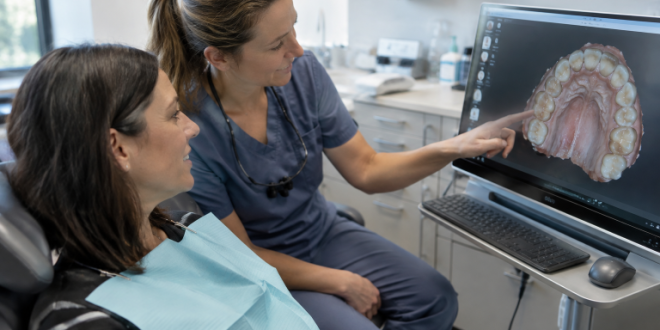
Clinical exams, digital impressions, photographs, and cone-beam computed tomography can help the dental team plan treatment. A 3D scan can show bone contours, sinus position, existing tooth roots, and other structures that affect surgical access. It also gives patients a concrete way to understand why a proposed plan is being recommended.
A Useful Planning Checklist
- Review the scan and identify areas with limited bone.
- Compare the benefits and tradeoffs of more than one realistic option.
- Discuss whether temporary teeth may be used.
- Ask how the biting and clenching habits could affect the restoration.
- Confirm the expected cleaning routine and recall visits.
When Advanced Implant Approaches May Be Discussed
Severe upper-jaw resorption may lead a provider to discuss advanced implants that use stronger facial bone outside the usual implant sites. Zygomatic implants, for example, are placed in the cheekbone rather than relying only on the upper jaw. This is specialized surgery, not a routine replacement for standard implants, and candidacy depends on anatomy and the clinician’s judgment.
Research into treatment for severe jaw atrophy continues to examine grafting, graftless methods, and customized approaches. A review of options for severe bone atrophy underscores an important patient point: promising approaches still need to be weighed against the quality of available evidence, the experience of the surgical team, and a person’s individual needs.
Questions to Ask the Dental Team
- How much usable bone is available in my upper jaw?
- What does my 3D scan show about the sinuses and possible implant sites?
- What are the realistic alternatives, including a removable option?
- Would grafting or a sinus procedure be appropriate in my case?
- How many surgeries and follow-up visits could be involved?
- What are the likely risks, and what would happen if the first plan changes?
- What type of temporary and final teeth are being proposed?
Recovery and Long-Term Maintenance
Recovery differs by procedure, overall health, medications, smoking status, oral hygiene, and the complexity of treatment. Swelling, tenderness, dietary changes, and activity restrictions may be part of the early recovery period. Follow the specific instructions provided by the treating team, and report persistent pain, swelling, bleeding, drainage, or looseness promptly.
Long-term success also requires maintenance. Patients should keep scheduled visits, clean around restorations as instructed, attend bite checks, and manage health conditions that can affect healing. Night guards or other protective measures may be recommended for people who clench or grind their teeth.
When a Second Opinion Makes Sense
A second opinion may be useful when a plan involves extensive surgery, costs are unclear, only one option is presented, or the risks are not fully explained. Bringing existing scans and treatment records can make that consultation more productive. A second opinion may confirm the original recommendation, but it can still help a patient make a more informed decision.
Final Thoughts
Upper-jaw bone loss can make implant care more complex, but it does not end the conversation about tooth replacement. For patients in Flowood, MS, the most helpful next step is a thorough evaluation that considers imaging, health history, treatment alternatives, recovery, and ongoing maintenance. A well-explained plan should leave room for questions and support a decision that fits the patient, not just the procedure.