 Isaiminia World Breaking News & Top Stories
Key Takeaways
- Dental restorations address different needs, from protecting a damaged tooth to replacing several missing teeth.
- Comfort, bite function, cleaning needs, treatment time, and long-term maintenance all matter when comparing options.
- The condition of the gums, nearby teeth, jawbone, and bite can affect which treatment is appropriate.
- Consistent home care and dental follow-up help protect restorations and the natural teeth around them.
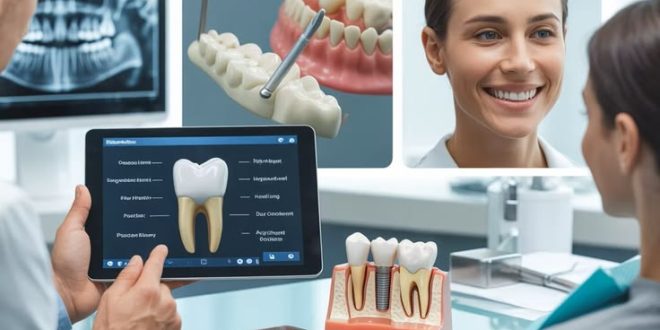
For many Reston residents, a healthy smile needs to keep up with busy workdays, family routines, social meals, and everyday conversations. Whether a tooth is cracked, heavily decayed, worn down, or missing, restorative care is about more than changing appearance. Patients considering dental implants in Reston, VA, or another restoration should understand how each option may affect comfort, chewing, cleaning, and future care. There is no single restoration that works best in every situation. A strong treatment plan considers the whole mouth, including the health of supporting gums and bone, the forces created by the bite, and the patient’s ability to maintain the result. Comparing options carefully can make the decision feel more practical and less overwhelming.
Why Restorative Treatment Is More Than a Cosmetic Choice
A damaged or missing tooth can change how a person bites, chews, or speaks. It may also lead someone to favor one side of the mouth, making meals less comfortable. For example, losing a back tooth may seem manageable at first, but relying mostly on the other side for chewing can leave the bite feeling unbalanced over time. Restorative treatment aims to help a tooth or replacement tooth work with the rest of the mouth. This can mean protecting a weakened natural tooth, filling a space between teeth, or creating a more stable chewing surface. The goal is not merely to close a visible gap. A restoration should also be designed to fit comfortably and be practical to clean.
The Main Types of Dental Restorations
Crowns for Weakened Teeth
A dental crown covers a tooth that has enough remaining structure to be retained but needs added protection. A dentist may recommend a crown after extensive decay, a large filling, a fracture, significant wear, or root canal treatment. The crown is shaped to fit the bite and match the surrounding teeth as closely as possible. Patients should ask how the crown will feel when chewing, how the material may suit their bite, and whether grinding or clenching calls for additional protection. Brushing along the gumline and cleaning between teeth remain important because the natural tooth beneath the crown can still be affected by decay or gum problems.
Bridges for Filling a Tooth Gap
A bridge replaces one or more missing teeth by connecting a replacement tooth to support from adjacent teeth or implants. A traditional bridge can be useful when the teeth beside a gap already need crowns or can safely support the design. It is fixed in place, so it does not need to be removed for cleaning. However, a bridge requires intentional care beneath the replacement tooth and around its supporting teeth. Floss threaders, interdental brushes, or other dentist-recommended tools may help clean areas that standard floss cannot easily reach. The health and strength of neighboring teeth are major factors in deciding whether a bridge makes sense.
Implants for Root-Supported Replacement
An implant is placed in the jawbone to support a crown, bridge, or removable denture. Treatment commonly includes an evaluation, surgical placement, a healing period, and attachment of the final restoration. The stages of implant treatment can vary because some patients need additional preparation or more healing time than others. Bone volume, gum health, tobacco use, medical history, and healing ability can all influence implant planning. An implant may offer a stable option for an eligible patient, but it still needs daily cleaning and professional monitoring. It is not a replacement for good oral hygiene.
Partial and Full Dentures
Partial dentures replace some missing teeth, while full dentures replace all teeth in an upper or lower arch. These removable options may be appropriate when several teeth are missing, when fixed treatment is not preferred, or when a person needs a practical replacement plan that fits their circumstances. New dentures often require an adjustment period for speaking, chewing, and getting used to the fit. Sore spots or looseness should be evaluated rather than ignored. Dentures also require regular cleaning and may need professional adjustments as the mouth changes.
How Dentists Compare Treatment Options
Restoration planning is personal. During an evaluation, a dentist may consider:
- The number of teeth affected: One damaged tooth requires a different approach than multiple missing teeth.
- Nearby teeth: Their condition can influence whether they can support a bridge or need treatment themselves.
- Gum and jawbone health: Both provide essential support for teeth and implant-based restorations.
- Bite forces: Clenching, grinding, and uneven pressure can affect design and material choices.
- Daily habits and priorities: Home care, tobacco use, treatment timing, budget, appearance, and stability all deserve discussion.
Comfort, Function, and Appearance: What Should Come First?
A natural-looking result is important to many patients, but appearance should go hand in hand with healthy function. A restoration should feel stable during chewing and speaking, avoid creating uncomfortable pressure, and fit within the bite. A beautiful restoration that is difficult to clean or does not function comfortably may not be the right long-term choice. Ask practical questions before deciding: How will this feel during meals? Will I need different cleaning tools? Does it need to be removed at night? Could a night guard help protect it? Clear answers can help patients choose a solution that fits life in Reston as well as their clinical needs.
Treatment Time and Long-Term Care
Some crowns and bridges can be completed over a relatively short series of appointments, while implants may require healing between treatment stages. Temporary crowns, bridges, or dentures may be used while a final restoration is being made. If gum treatment, decay removal, or bone preparation is needed first, care may be planned in phases. Daily care typically includes brushing twice a day with fluoride toothpaste, cleaning between teeth and around restorations, and avoiding habits such as opening packages with teeth. Removable dentures should be cleaned according to professional instructions. Regular visits allow the dentist to evaluate fit, bite pressure, gum health, and wear before a minor concern becomes more complicated. Current, less invasive approaches to managing dental disease also reinforce the value of prevention and preserving healthy tooth structure whenever possible.
Questions to Ask Before Choosing a Restoration
- What problem is this treatment designed to solve?
- Are there other reasonable options for my mouth?
- Will nearby teeth need to be altered or treated?
- How long could treatment take, including healing or temporary restorations?
- What home-care tools and follow-up visits will be needed?
- What factors could shorten the restoration’s useful life?
- Which costs may be separate from the initial treatment estimate?
Conclusion
Crowns, bridges, implants, and dentures each have a role in restorative dentistry, but they are not interchangeable solutions for every patient. The appropriate option depends on the condition of the teeth and supporting tissues, the number and location of missing or damaged teeth, the patient’s bite, oral health, personal goals, budget, and commitment to ongoing care. Patients may also need to consider factors such as treatment time, maintenance requirements, durability, appearance, and how a restoration will fit into their existing oral-care routine. A comprehensive dental evaluation can help identify the condition of the affected area and clarify which options may be appropriate. Discussing the benefits, limitations, potential risks, and long-term care requirements of each restoration can also help patients understand what to expect before treatment begins. For Reston, Virginia, patients, a thoughtful evaluation and open conversation with a qualified dental professional can make it easier to compare the available trade-offs and select a restoration that supports comfort, function, appearance, and long-term oral health.