Isaiminia World Breaking News & Top Stories
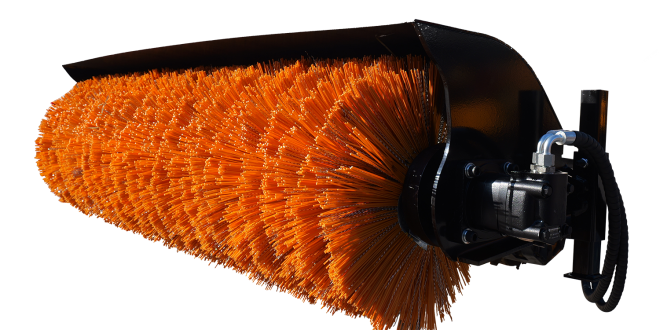
A skid steer without attachments is a bucket on wheels. A skid steer with the right attachment library is essentially a small fleet, capable of trenching in the morning, brush cutting through lunch, and sweeping a finished lot before the day ends. Every contractor who has watched a competitor pull up with a single machine and rotate through four attachments knows the productivity gap this creates. Yet many fleet owners still treat attachments as optional add-ons rather than core revenue tools, and the result is a bidding disadvantage that shows up in every quote season. This article covers the categories worth investing in first, how to evaluate build quality when a photo online is all you have to go on, and the practical realities of storing and maintaining a growing attachment collection so that it multiplies revenue rather than clutters the yard.
Which Attachments Actually Earn Their Keep
The universal quick-attach mount transformed compact loaders into modular platforms, and the best skid steer attachments convert idle machine hours into billable work across seasons that would otherwise be slow. Certain categories consistently pay back their purchase price faster than others, and identifying which ones fit your work removes most of the guesswork. Land clearing contractors need mulchers and grapples; landscape crews prioritise augers, trenchers, and brooms; utility contractors invest in trenchers, breakers, and pallet forks. Buying based on category rather than opportunistic sales usually produces a better long-term collection than chasing whatever deal appeared at the last trade show.
Material Handling and Site Prep
Pallet forks, grapple buckets, and rock buckets form the entry-level trio that virtually every operator uses within the first month of ownership. Pallet forks turn a skid steer into a materials handler capable of moving sod pallets, block, and mulch bags across a site far faster than hand loading. Grapple buckets handle brush, demolition debris, and irregular loads that a standard bucket cannot secure. Rock buckets sift material as they load, separating cobbles from soil during grading work. These three tools alone justify the machine on almost any project and belong in the initial purchase rather than added later.
Ground Engaging Tools
Augers, trenchers, and breakers open up work that hand labour cannot approach economically. A hydraulic auger installs sign posts, fence posts, and deck footings in a fraction of the time a two-person crew would need, and it does the work at a consistent depth that passes inspection first time. Trenchers cut clean utility lines for irrigation, electrical, and drainage installations, which used to require rented specialty equipment. Hydraulic breakers convert your loader into a demolition machine for concrete removal, curb work, and rock breaking. Each of these attachments requires auxiliary hydraulic capacity matched to its flow rating, so verify the machine can drive them before spending money on the attachment.
Evaluating Build Quality When Buying
The attachment market ranges from premium products built to industrial standards down to imports built to a price point. Both have their place, but knowing which is which prevents buying regret. Cutting edges made from replaceable hardened steel signal a manufacturer thinking about the tool’s second life, while welded-in permanent edges reveal a product designed to be disposable. Hydraulic hoses routed through protective steel guides survive scraping against materials while unprotected hoses fail within a season. Bushing sizes at pivot points hint at expected life; oversized bushings resist wear and replacement is cheaper than pin replacement.
Weight, Balance, and Machine Compatibility
An attachment that overweights the machine or sits too far forward compromises stability and stresses the loader arms. Match attachment weight to the rated operating capacity of the loader, and confirm that the centre of gravity falls within the range the machine was designed to handle. Attachments from reputable manufacturers publish compatibility charts covering common loader models. MMS INDUSTRIAL and similar suppliers make these specifications available on request, which lets buyers verify fit before shipping rather than discovering the mismatch on site.
Hydraulic Requirements and Flow Matching
Standard flow, high flow, and enhanced high flow define three different tiers of attachment compatibility, and running an attachment above your machine’s flow rating either underperforms or damages seals. Before purchasing any hydraulic attachment, verify your machine’s flow rating and pressure specification, then match the attachment to those numbers. Enhanced high flow attachments cost more up front but deliver performance that low-flow versions simply cannot match, and running a mulcher or a cold planer requires this capability.
Storage, Maintenance, and Deployment Logistics
A growing attachment library creates its own problems. Random piles in the yard produce lost pins, damaged hydraulic couplers, and attachments that mysteriously appear rusty when needed. Dedicated storage racks with labelled positions solve this for less money than the value of one lost tool. Coupler protection caps prevent contamination when attachments sit unused for weeks, and consistent labelling of hydraulic pressure and flow requirements saves guessing when a new operator hooks up the tool.
Maintenance discipline separates attachment collections that reach a decade of service from those that need constant replacement. Grease pivot points weekly during active use, inspect cutting edges before each shift and replace when wear reaches the manufacturer’s marked limit, and store hydraulic hoses coiled rather than kinked. A brief pre-shift walk-around adds five minutes to the day and prevents the majority of unexpected failures during a job.
Transport and On-Site Handling
Loading attachments onto trailers safely takes practice and the right equipment. A dedicated attachment cart with wheels lets a single operator move heavy tools without back injury or damage to couplers. Chain them down for transport even when it seems overly cautious; a rock bucket that shifts on a highway can total the trailer and worse. Small habits like these compound into fleets that operate without incidents while their competitors trade insurance claims for depreciated equipment.
Building Attachment ROI Into Your Fleet Strategy
Attachments turn a single machine into a rotating cast of purpose-built tools, and the fleet owners who treat this as a strategic investment rather than an afterthought consistently outbid competitors on multi-task projects. Start with the material handling trio, add ground-engaging tools that match your work mix, and expand into specialty attachments only when demand justifies the storage footprint. Match hydraulic requirements before you match brand loyalty, and invest in racks and coupler protection so the collection remains usable rather than deteriorating in a corner of the yard. Handled with discipline, a well-chosen attachment library often becomes the most quietly profitable piece of any small contractor’s operation, quietly earning revenue every day the loader leaves the yard.