Isaiminia World Breaking News & Top Stories
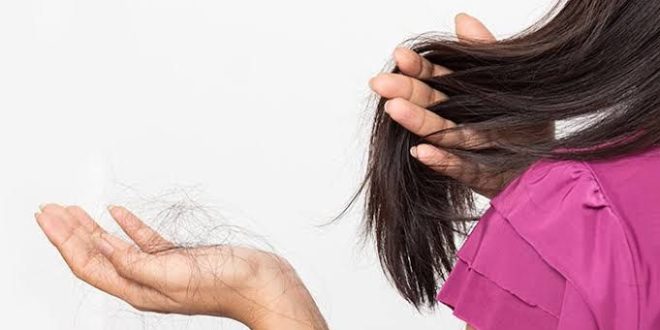
Hair fall is a common concern that affects people of all ages. While losing a few strands every day is a natural part of the hair growth cycle, noticing excessive hair on your pillow, hairbrush, or shower drain can be worrying. If you’ve been asking yourself, “Why is my hair falling more than usual?”, the answer often lies in identifying the underlying cause.
Hair health reflects what’s happening inside your body. Factors such as nutritional deficiencies, stress, hormonal changes, illness, lifestyle habits, and even environmental conditions can contribute to increased hair shedding. Understanding these causes is the first step toward managing hair fall effectively.
In this guide, we’ll explain the most common reasons for excessive hair loss, practical ways to support healthier hair, and how overall wellness, including liver care, balanced nutrition, and supplements such as Marine Collagen Peptides, may contribute to maintaining healthy hair. We’ll also discuss how adopting a healthier lifestyle through reset life habits can benefit your hair in the long run.
Is It Normal to Lose Hair Every Day?
Yes. Most people naturally lose around 50 to 100 hairs per day as part of the normal hair growth cycle. Hair follicles continuously move through three stages:
- Growth (Anagen)
- Transition (Catagen)
- Resting and shedding (Telogen)
Hair fall becomes a concern when shedding increases significantly, continues for several weeks, or is accompanied by visible thinning or bald patches.
Common Causes of Excessive Hair Fall
- Nutritional Deficiencies
Hair follicles require a constant supply of nutrients to produce healthy hair. Deficiencies in essential vitamins and minerals can weaken hair strands and slow growth.
Common nutrient deficiencies linked to hair fall include:
- Iron
- Vitamin D
- Vitamin B12
- Zinc
- Protein
- Biotin
Since hair is primarily made of keratin, adequate protein intake is essential. Some individuals also include Marine Collagen Peptides in their wellness routine to provide amino acids that support healthy skin and hair structure. While research continues, collagen may help support overall hair health when combined with a balanced diet.
- Stress and Emotional Pressure
Physical or emotional stress is one of the leading causes of sudden hair shedding.
Triggers include:
- Major illness
- Surgery
- Emotional trauma
- Job stress
- Sleep deprivation
Stress can push more hair follicles into the resting phase, resulting in increased shedding several weeks or months later. Managing stress through exercise, meditation, quality sleep, and relaxation techniques often helps restore normal hair growth.
- Hormonal Changes
Hormonal fluctuations commonly affect hair growth.
These changes may occur during:
- Pregnancy
- Childbirth
- Menopause
- Thyroid disorders
- Polycystic Ovary Syndrome (PCOS)
Hormones directly influence the hair growth cycle, making hormonal imbalances a common reason for increased hair fall.
- Genetics
Hereditary hair loss, also known as androgenetic alopecia, is one of the most common causes of gradual hair thinning.
It can affect:
- Men (male pattern baldness)
- Women (female pattern hair thinning)
Although genetics cannot be changed, early intervention may help slow progression.
- Poor Diet
Crash dieting, skipping meals, or consuming highly processed foods may deprive hair follicles of essential nutrients.
A hair-friendly diet should include:
- Lean protein
- Fruits
- Vegetables
- Healthy fats
- Whole grains
- Nuts and seeds
Good nutrition benefits the entire body, not just the hair.
- Scalp Conditions
A healthy scalp provides the ideal environment for hair growth.
Common scalp problems include:
- Dandruff
- Fungal infections
- Psoriasis
- Seborrheic dermatitis
Persistent itching, redness, scaling, or inflammation should be evaluated by a healthcare professional.
- Certain Medical Conditions
Hair loss may also be associated with underlying health conditions such as:
- Thyroid disease
- Autoimmune disorders
- Chronic illnesses
- Severe infections
- Nutritional malabsorption disorders
If hair fall is sudden or severe, medical evaluation is important.
- Medications
Some medicines may contribute to temporary hair loss, including treatments for:
- High blood pressure
- Depression
- Cancer
- Arthritis
- Blood thinners
Hair often begins to regrow once treatment changes or ends, but medical advice should always be sought before stopping any medication.
Does Liver Health Affect Hair?
Many people don’t immediately associate hair with liver care, but the liver plays an essential role in overall health.
The liver helps:
- Process nutrients
- Store vitamins and minerals
- Metabolize hormones
- Remove toxins
- Support protein production
Poor liver function does not directly cause hair loss in every case, but maintaining good liver care through balanced nutrition, regular exercise, hydration, limited alcohol consumption, and routine health check-ups supports overall wellbeing, which may indirectly contribute to healthier hair.
Lifestyle Habits That May Increase Hair Fall
Several everyday habits can weaken hair over time.
These include:
- Excessive heat styling
- Tight hairstyles
- Frequent chemical treatments
- Smoking
- Poor sleep
- Inadequate hydration
Making small lifestyle improvements often helps reduce unnecessary hair damage.
Can Marine Collagen Peptides Help Hair Health?
Collagen is one of the body’s major structural proteins. As we age, natural collagen production gradually declines.
Marine Collagen Peptides contain collagen broken into smaller peptides for easier absorption. They provide amino acids involved in the production of proteins that support skin and hair.
Current research suggests collagen supplementation may support skin elasticity and overall connective tissue health, while evidence regarding direct hair growth continues to develop. Marine Collagen Peptides work best when combined with:
- A protein-rich diet
- Essential vitamins and minerals
- Healthy lifestyle habits
- Proper hydration
They should not be viewed as a standalone solution for excessive hair fall.
Building a Reset Life for Healthier Hair
Healthy hair starts with healthy daily habits. Creating a reset life routine means focusing on overall wellness rather than looking for quick fixes.
Simple habits include:
- Eating balanced meals
- Staying physically active
- Managing stress
- Sleeping 7–9 hours nightly
- Drinking enough water
- Avoiding smoking
- Limiting excessive alcohol intake
A consistent reset life approach benefits not only your hair but also your skin, energy levels, and overall health.
When Should You See a Doctor?
Consult a healthcare professional if you notice:
- Sudden severe hair loss
- Bald patches
- Hair fall lasting longer than three months
- Hair loss with fatigue or unexplained weight changes
- Persistent scalp pain, redness, or swelling
Early diagnosis helps identify treatable causes before significant hair thinning develops.
Tips to Reduce Everyday Hair Fall
You can support healthier hair by:
- Eating enough protein daily.
- Including iron-rich foods in your diet.
- Managing stress effectively.
- Avoiding excessive heat styling.
- Using gentle hair care products.
- Treating scalp conditions promptly.
- Maintaining good liver care through healthy lifestyle choices.
- Considering Marine Collagen Peptides as part of a balanced nutritional routine if appropriate.
- Following a consistent reset life approach that prioritizes overall wellbeing.
Conclusion
Hair fall is often influenced by multiple factors rather than a single cause. Nutritional deficiencies, stress, hormonal changes, genetics, medical conditions, scalp health, and daily lifestyle habits all play important roles in maintaining healthy hair.
Instead of searching for one miracle solution, focus on improving your overall health through balanced nutrition, regular exercise, proper liver care, quality sleep, and sustainable reset life habits. Supplements such as Marine Collagen Peptides may complement a healthy lifestyle, but they work best alongside good nutrition and proper medical guidance when needed.
If your hair loss becomes excessive or persists despite lifestyle improvements, consult a qualified healthcare professional to identify the underlying cause and receive appropriate treatment.