Isaiminia World Breaking News & Top Stories
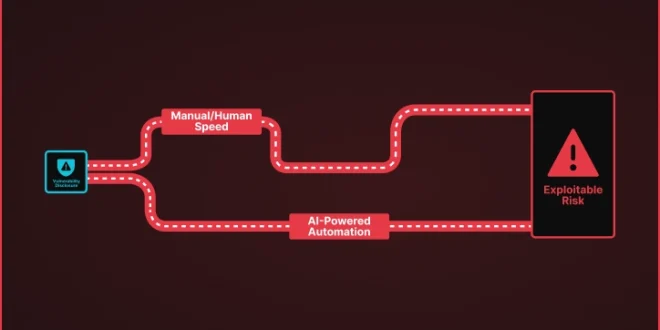
When a new CVE drops, the reaction is often immediate: anxiety, urgency, and a sinking feeling that there is never quite enough time to fix everything at once. Security teams know this pressure well. Vulnerabilities arrive in waves, alerts pile up, dashboards turn red, and suddenly every issue looks like the one that could become tomorrow’s breach. That is exactly why prioritization matters so much. It is not enough to find weaknesses. You need to know which ones truly demand action first.
This is where an AI vulnerability scanner can change the rhythm of security work. Instead of forcing teams to sort through endless lists manually, it helps identify which CVEs are most dangerous in your actual environment. Not every critical score means equal business risk, and not every medium-rated flaw is harmless. Context changes everything.
Why Critical CVE Prioritization Feels So Hard
Most organizations are not struggling because they lack vulnerability data. They are struggling because they have too much of it. Security feeds, asset inventories, exploit reports, patch notices, and developer tickets all compete for attention. The result can feel almost forbidding, like standing at the base of a steep mountain in bad weather, knowing the climb is necessary but not knowing where to place the first step.
A security lead once described a weekly triage meeting that felt exactly that way. The spreadsheet was so dense, so forbidding, that the room fell silent before anyone spoke. It was not laziness. It was overload. And that overload is dangerous, because attackers do not wait for perfect internal coordination.
The real challenge is separating theoretical risk from immediate operational risk. A vulnerability with a high CVSS score may exist on an isolated system, while another with a lower score may sit on an internet-facing application tied to sensitive customer data. If teams treat those issues as equal, they waste precious time.
How an AI Vulnerability Scanner Improves Prioritization
An AI vulnerability scanner helps by adding intelligence to raw vulnerability discovery. It does more than list exposures. It evaluates patterns, correlates threat intelligence, considers asset importance, and helps security teams focus on what is most likely to be exploited and most damaging if ignored.
That means you are not simply asking, “How severe is this CVE?” You are asking better questions:
– Is there active exploitation in the wild?
– Is the vulnerable asset exposed externally?
– Does the system hold sensitive data?
– Is there known ransomware interest in this flaw?
– How difficult would remediation be compared to the likely impact?
These are the questions that turn noise into action.
Basically, using an AI based vulnerability scanner also brings another layer of clarity, especially for development teams. It can analyze code paths, insecure dependencies, and exploitability signals before issues move deeper into production. That earlier visibility reduces the painful cycle of discovering dangerous flaws only after release.
What To Look For In Prioritization Logic
Not all scanning tools prioritize well. Some simply repackage severity ratings with colorful dashboards. That may look impressive, but appearance is not protection. If you are evaluating tools, look for prioritization methods grounded in real-world risk.
A strong platform should weigh:
– CVSS severity alongside exploit availability
– Asset criticality and business importance
– Exposure level, including public-facing services
– Threat actor behavior and emerging attack trends
– Existing compensating controls
– Dependency chains and downstream application impact
Think of it like a street vendor trying to peddle everything at once. If someone attempts to peddle ten different products equally, none of them gets the attention it deserves. Vulnerability management can become the same kind of cluttered sales pitch when every issue is presented as urgent. Smart prioritization cuts through that chaos and highlights what genuinely matters now.
AI Code Vulnerability Scanner Benefits for Development Teams
For engineering and DevSecOps teams, speed matters, but clarity matters even more. An AI code vulnerability scanner can support both. It reviews code and dependencies in a way that helps teams understand not just that a weakness exists, but whether it is reachable, exploitable, and likely to impact production.
This matters because developer trust is fragile. If tools flood teams with false positives, alerts get ignored. If findings lack context, remediation gets delayed. But when the scanner shows why a vulnerability is dangerous and how it intersects with the application’s architecture, it becomes far easier to act decisively.
There was once a product team working on a healthcare application that used a design model someone casually described as fusiform, sleek through the center and tapered at the ends. The term stuck, oddly enough, because it became shorthand for streamlining everything that felt bulky. Their security process needed the same treatment. By removing bloated alerting and focusing on truly exploitable weaknesses, they made remediation faster and far less frustrating. Sometimes even a strange word like fusiform can remind teams that shape matters, and so does flow.
Turning CVE Data Into a Practical Response Plan
The best vulnerability programs do not stop at prioritization. They translate insight into action. Once high-risk CVEs are identified, teams need a structured plan.
A practical workflow often looks like this:
- Validate the finding
Confirm the affected asset, software version, and exposure level.
- Assess exploitability
Determine whether the CVE is actively weaponized or realistically usable in your environment.
- Rank by business impact
Map the technical issue to business services, data sensitivity, and operational importance.
- Assign ownership immediately
Route infrastructure flaws to operations, application flaws to engineering, and cloud-specific issues to the appropriate platform team.
- Apply mitigations if patching is delayed
Network segmentation, access restrictions, virtual patching, or feature disablement can reduce risk while a permanent fix is prepared.
- Track time to remediation
Measure how quickly critical items are resolved and where bottlenecks appear.
An AI vulnerability scanner supports every step by reducing guesswork. It helps teams move from broad awareness to focused response without drowning in disconnected signals.
Building Confidence Instead of Panic
There is something deeply human about wanting certainty during a security crisis. Yet certainty is rare. What organizations can build instead is confidence: confidence that the most dangerous issues will surface first, confidence that teams will not waste energy on low-value noise, and confidence that security decisions reflect real business risk.
That confidence grows stronger when an AI code vulnerability scanner is integrated into software delivery, because vulnerabilities are addressed closer to where they begin. Prevention and prioritization start working together rather than pulling in opposite directions.
This is the shift many organizations need most. Not more alerts. Not more dashboards. Better judgment at machine speed.
When critical CVEs start pouring in, the goal is not to chase everything in a panic. The goal is to protect what matters most, first and fast. With the right processes and the right AI-powered support, that impossible-looking mountain no longer feels so steep. You still have work to do, of course. But now you can see the trail clearly, and that changes everything.