 Isaiminia World Breaking News & Top Stories
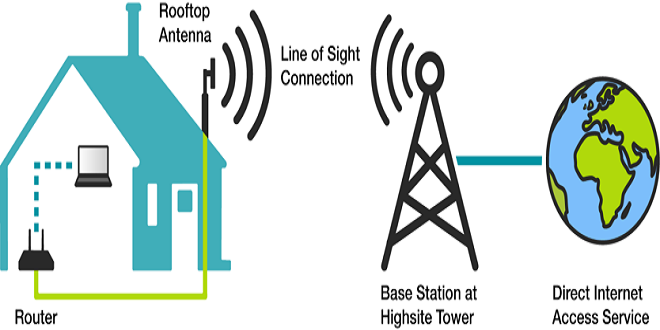
In today’s rapidly evolving technological landscape, the need for efficient and reliable data transmission has become paramount. Organisations and companies are increasingly looking towards advanced communication systems to meet their data transfer requirements. One of the pivotal solutions in this context is the wireless microwave link, a cornerstone technology in achieving high-speed data transfer across various distances.
What are Wireless Microwave Links?
Wireless microwave links are a type of communication technology that uses microwave frequencies to transmit data wirelessly over distances. These links leverage high-frequency radio waves, offering a viable alternative to fibre optics, especially in regions where laying physical cables presents challenges. By utilising microwave links, organisations can ensure a swift and secure data transfer while circumventing geographical obstacles.
The Mechanism Behind Microwave Links
The operational mechanism of a wireless microwave link involves the transmission of data signals between two points, using parabolic dish antennas. These dish antennas typically require a clear line of sight between the transmitting and receiving points, ensuring minimum interference from physical barriers such as buildings and terrain. The direct line of sight allows for high-frequency radio waves to travel efficiently, making this method well-suited for spanning large geographical areas with minimal signal loss.
Key Benefits of Wireless Microwave Links
For many businesses and telecommunications providers, the primary benefit of adopting wireless microwave links resides in their scalability and reliability. These systems offer high bandwidth capacities, supporting enormous data streams over long distances without degradation of signal quality. Additionally, they provide a more flexible network setup compared to traditional cable systems, as they can be rapidly deployed and reconfigured to meet changing needs.
Applications Across Various Industries
The versatility of wireless microwave links makes them suitable for numerous applications across different industries. Telecommunications providers utilise these links for backbone and backhaul support, facilitating the transfer of voice, video, and internet data between core networks and end-users. Additionally, they are employed in remote or rural areas where traditional infrastructure is impractical or cost-prohibitive.
Microwave links are also prevalent in other sectors such as defence, broadcasting, and emergency services, where instantaneous and dependable communication is crucial. By leveraging the capabilities of wireless microwave links, these industries can enhance their operational efficiency and respond more swiftly in critical situations.
Challenges and Considerations
While there are numerous advantages to wireless microwave links, there are also challenges that must be addressed. The necessity for a clear line of sight is a critical consideration in the deployment of microwave systems. Obstructions such as buildings, mountains, and trees can impede signal transmission, thereby necessitating careful planning during installation.
Future of Microwave Communication
Looking ahead, the future of microwave communication is promising, with advancements continually enhancing the capacity and reliability of these systems. Innovations such as adaptive modulation, advanced coding techniques, and improved antenna technologies are set to further amplify the performance of wireless microwave links, making them an increasingly attractive solution for modern communication needs. Organisations seeking to navigate the complexities of global communication networks are likely to invest more heavily in this technology as part of their digital transformation strategies.
Choosing the Right Microwave Link Provider
Selecting an appropriate provider for wireless microwave links is crucial for any business looking to secure a robust communication framework. Factors such as experience, reliability, and support services should be carefully evaluated before making a decision. A reputable provider will not only offer cutting-edge technology but also ensure comprehensive maintenance and support to optimise system performance.
Industry Standards and Regulations
Compliance with industry standards and regulations is essential for the successful integration of microwave link technology. Organisations must ensure that their systems adhere to local and international guidelines governing frequency allocations and emissions to avoid legal complications and ensure interoperability with existing infrastructures.
By staying informed about the latest developments in standards and maintaining compliance, businesses can safeguard their investments and capitalise on the benefits of wireless microwave links without disruption.
Conclusion
In conclusion, the utilisation of wireless microwave links represents a significant advancement in the realm of communication technology, offering unparalleled speed, reliability, and flexibility. As industries continue to evolve and the demand for seamless connectivity increases, these links will play an indispensable role in supporting global communication infrastructure. By overcoming their inherent challenges and leveraging ongoing advancements, businesses can harness the full potential of this technology, ensuring robust and adaptable communication systems for the future.