Isaiminia World Breaking News & Top Stories
Key Takeaways
- Clinical trials are essential for developing and approving new medical treatments.
- Recent advancements, including AI integration, are transforming the clinical trial landscape.
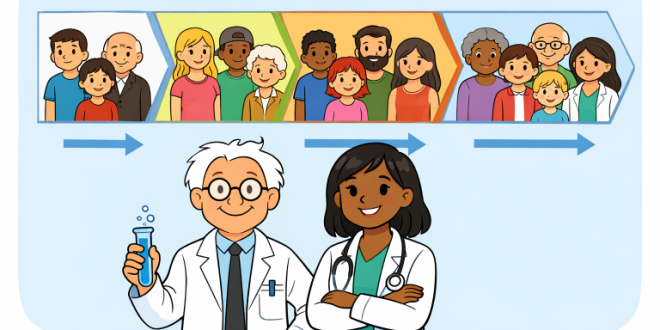
- Ensuring diversity in trial participants is crucial for the effectiveness of treatments across populations.
The Role of Clinical Trials in Medical Advancements
Clinical trials are fundamental to progress in medical science. These research studies, involving human volunteers, are designed to evaluate the safety and efficacy of new drugs, therapies, and medical devices. Every breakthrough treatment available today is a product of comprehensive clinical trial processes. Without rigorous trials, the journey from laboratory discovery to routine patient care would not be possible. To better understand their significance, you can explore this resource: What are clinical trials?
Clinical trials answer vital medical questions. They allow researchers to measure how new interventions work in real-world scenarios, determine whether they are safe, and ensure they deliver meaningful health benefits. The meticulous design and execution of these studies uphold scientific integrity, protect participant safety, and help gain regulatory approval for new treatments.
The process involves collaboration among scientists, physicians, regulatory agencies, and, crucially, diverse participants. Transparent data collection and analysis in clinical trials underpin all significant advancements in healthcare, ensuring new treatments are evidence-based and meet rigorous standards. Another important aspect is the ethical responsibility that governs every step of these studies. Respect for patient rights and transparent communication are non-negotiable standards in every well-conducted clinical trial. Maintaining ethical rigor ensures trust in science and supports future medical developments.
Phases of Clinical Trials
The structure of clinical trials follows a distinct progression, divided into phases that accumulate increasing amounts of evidence for a new treatment or intervention:
- Phase I: The earliest phase, enrolling a small group of healthy volunteers or patients, focuses primarily on safety, determining safe dosage levels, and understanding how a treatment is metabolized.
- Phase II: As more is learned about safety, these trials concentrate on efficacy. Researchers enroll a wider group of people with the target condition to study effectiveness and monitor for side effects.
- Phase III: This phase involves a larger, more diverse patient population and compares the new treatment to existing standard therapies. The goal is to gather stronger evidence of benefit, observe rare side effects, and collect data required for regulatory approval.
- Phase IV: Conducted after regulatory approval, these trials continue monitoring the treatment’s real-world safety and effectiveness across different patient groups and long-term use.
Each phase is a building block, accumulating evidence until a new therapy can be confidently integrated into healthcare practices. This phased approach ensures both patient protection and scientific rigor.
Recent Innovations in Clinical Trials
The clinical trial landscape is experiencing rapid innovation driven by new digital technologies and analytical tools. The integration of artificial intelligence (AI) and machine learning is one of the most transformative developments, enabling research teams to collect, process, and analyze data with unprecedented speed and accuracy. The United States Food and Drug Administration (FDA) recently launched efforts to use AI and data science tools to monitor clinical trials in real time, aiming to accelerate drug approvals and keep pace with global biopharmaceutical progress. According to this, this technological leap could significantly reduce the duration of clinical trials, potentially shortening approval timelines by up to 40 percent. Beyond AI, innovations such as decentralized and virtual clinical trials have emerged, especially after the COVID-19 pandemic highlighted the need for flexibility. These models use telemedicine, remote data collection, and electronic health records to enable participants to join trials from home. This not only boosts trial accessibility but can also improve recruitment of diverse populations and reduce participant dropouts.
Challenges in Clinical Trials
Despite these advancements, major challenges remain. One of the most persistent issues is the lack of diversity among trial participants. Research published by the University of California, Riverside highlights a widening gap in representation, with just 6 percent of clinical trials for new drugs in the United States accurately reflecting the country’s racial and ethnic makeup. The underrepresentation of Black and Hispanic participants threatens the generalizability of clinical trial results, limiting the effectiveness of treatments across all patient populations. Inequities in recruitment and accessibility can perpetuate health disparities and limit the reach of new medical advances. Additional challenges include the high costs and long durations required to bring new treatments to market, regulatory complexities, and logistical hurdles in trial design, recruitment, and follow-up. Addressing these challenges is essential to making future therapies more inclusive and more rapidly available to those in need.
Ethical Considerations
Ethics stand at the center of all clinical research. Every clinical trial must ensure that participants provide informed consent, fully understanding the risks and potential benefits involved. Researchers also have a duty to safeguard participant confidentiality and maintain protocol transparency. Independent ethics committees and rigorous oversight processes are in place to protect the dignity, rights, and welfare of participants, helping to build public trust and ensure the sustainability of medical research. Ethical guidelines not only protect individuals but also underpin the reliability and credibility of the resulting data.
The Future of Clinical Trials
The integration of AI, data science, and remote technology is setting the stage for an even more dynamic and accessible era in clinical research. These advancements promise greater speed and efficiency, reducing the time needed to bring lifesaving treatments to patients. Equally important are ongoing initiatives to improve diversity in research populations. By creating more inclusive and representative trials, the healthcare industry can ensure that all individuals benefit from new scientific discoveries, regardless of background or geography.
Conclusion
Clinical trials are indispensable in transforming scientific insights into practical medical treatments. As the field continues to evolve, advanced technologies, improved ethical frameworks, and a renewed commitment to diversity are paving the way for a future where effective therapies are available to all. Although formidable challenges persist, the trajectory of clinical trials is firmly aligned with better, faster, and more equitable healthcare innovation.