 Isaiminia World Breaking News & Top Stories
Many coffee enthusiasts dream of recreating that perfect café espresso experience without leaving home. Super automatic espresso machines promise exactly that—café-quality drinks at the push of a button. But with their premium price tags and varying features, the question becomes: are they truly worth the investment for home use? This article explores the complete picture by examining what these machines actually do, their genuine benefits for daily routines, how to select the right model for your needs, and the extraction techniques that maximize their potential. Whether you’re a casual coffee drinker or a dedicated enthusiast, understanding these factors will help you make an informed decision that aligns with your lifestyle and budget.
What Are Super Automatic Espresso Machines?
Super automatic espresso machines represent the pinnacle of convenience in home coffee brewing. Unlike semi-automatic models that require manual control over shot timing and pressure, or manual machines demanding significant skill and physical effort, super automatics handle virtually every step of the espresso-making process independently. These machines integrate multiple functions into a single unit, eliminating the need for separate grinders, tampers, or timing devices.
At their core, super automatic espresso machines combine several essential components working in harmony. Built-in conical burr grinders automatically measure and grind beans to the precise consistency needed for espresso extraction. The machine then automatically doses the ground coffee into the portafilter, applies consistent tamping pressure, and manages water temperature and pressure throughout the brewing cycle. Many models feature integrated milk systems with steam wands or automatic frothing mechanisms, enabling users to prepare cappuccinos, lattes, and flat whites without additional equipment or technique.
The automation extends to temperature management through advanced heating systems that maintain optimal brewing temperatures instantly. Programmable settings allow customization of shot volume, strength, and other variables, while some premium models include dual boilers or thermoblock technology for simultaneous brewing and steaming. This comprehensive automation means that regardless of user experience level, each shot follows the same precise parameters, eliminating variables that typically affect espresso quality in manual brewing scenarios.
Key Benefits of Super Automatic Espresso Machines for Home Use
Super automatic espresso machines deliver unparalleled convenience that transforms your daily coffee routine. Rather than spending fifteen to twenty minutes perfecting grind size, tamping pressure, and extraction timing, you simply load beans and press a button. This time-saving advantage proves invaluable for busy mornings when you need quality espresso without the learning curve or preparation hassle. The machine handles every variable automatically, ensuring consistent results regardless of your experience level or mood on any given day.
Consistency stands as perhaps the most compelling benefit for home users. Each shot extracts under identical pressure, temperature, and timing parameters, eliminating the frustrating variability that plagues manual brewing. Whether you’re making your first cup or your hundredth, the flavor profile remains remarkably stable. This reliability means you’ll rarely encounter weak, over-extracted, or under-extracted shots—common pitfalls with semi-automatic machines that demand technical skill to master.
Super automatics also democratize espresso making by removing the expertise barrier. Traditional espresso preparation requires months of practice to develop proper tamping technique, understand pressure dynamics, and recognize optimal extraction indicators. Super automatic machines eliminate this learning curve entirely, allowing anyone to produce café-quality drinks immediately. Additionally, built-in milk frothing systems enable preparation of specialty drinks like lattes and cappuccinos without purchasing separate equipment or mastering steam wand technique, effectively replicating a professional café setup within your kitchen.
How to Choose the Right Super Automatic Espresso Machine
Selecting the right super automatic espresso machine requires evaluating several interconnected factors that align with your lifestyle and expectations. Begin by establishing a realistic budget, as these machines range significantly in price based on features and build quality. Consider your kitchen space carefully—super automatics occupy more counter real estate than manual alternatives due to their integrated components and water reservoirs. Think about your daily usage patterns: will you brew one cup each morning, or serve multiple drinks throughout the day? Understanding your actual needs prevents overspending on features you’ll never use while ensuring the machine handles your typical demand.
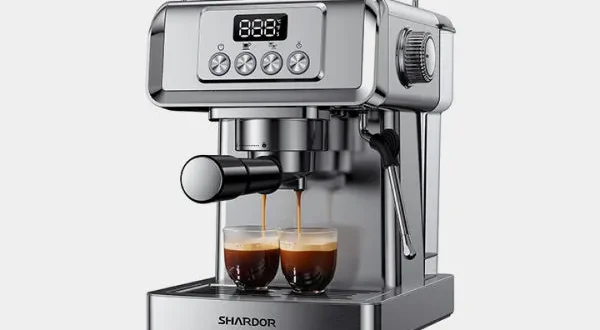
Brand reliability matters substantially when investing in complex machinery with multiple automated systems. Research manufacturer warranties, customer support availability, and parts accessibility in your region. Read user reviews focusing on long-term performance rather than initial impressions, as mechanical issues often emerge after months of regular use. Established brands like SHARDOR have built strong reputations by prioritizing durable construction and responsive customer service, factors that prove invaluable when you encounter questions or need replacement components. Evaluate what specialty drinks you actually want to prepare—some models excel at milk-based beverages while others prioritize espresso quality. Finally, consider maintenance requirements and your willingness to perform regular cleaning and descaling, as neglecting these tasks significantly impacts machine longevity and coffee quality.
Essential Features to Consider: Thermoblock Heating and More
Thermoblock heating technology represents a crucial advancement in super automatic design, enabling rapid temperature stabilization within seconds rather than minutes. This feature proves essential for home users who appreciate convenient morning routines without sacrificing temperature consistency. Grinder quality directly influences extraction quality—look for machines with conical burr grinders rather than blade grinders, as they produce more uniform particle sizes. Programmable settings should allow customization of shot volume, strength levels, and brew temperature to accommodate different bean profiles and personal preferences. Examine milk system options carefully: fully automatic frothers offer maximum convenience, while manual steam wands provide greater control over microfoam texture for those willing to invest minimal additional effort. Consider water filtration systems and descaling indicators, which reduce maintenance frequency and protect internal components from mineral buildup.
Comparing Coffee Brewing Equipment Types
Super automatics prioritize convenience and consistency over manual control, distinguishing them from semi-automatic machines that demand active participation in shot timing. Manual lever machines offer superior control but require significant skill development and physical effort. Moka pots and pour-over methods produce different flavor profiles entirely and lack espresso’s characteristic pressure extraction. For home users balancing quality with practicality, super automatics occupy the sweet spot between affordability and café-level output, eliminating the steep learning curve while delivering reliable results daily.
Mastering Espresso Extraction Techniques with Super Automatics
While super automatic espresso machines handle most technical aspects independently, understanding extraction techniques elevates your coffee experience from good to exceptional. High pressure extraction—the hallmark of true espresso—requires precise management of water temperature, pressure, and contact time with ground coffee. Super automatics excel at maintaining these parameters consistently, but knowing how to optimize them transforms ordinary shots into café-quality extractions. The machine’s automation doesn’t eliminate the importance of technique; rather, it provides a stable foundation upon which you can build refined brewing skills. By learning how pressure dynamics affect flavor extraction and how variables like grind size influence the final cup, you unlock the machine’s full potential and develop a deeper appreciation for the science behind espresso brewing.
Optimizing High Pressure Extraction Settings
Begin by adjusting your machine’s grind size setting, as this represents the most impactful variable you can control. Finer grinds increase resistance to water flow, extending extraction time and intensifying flavor, while coarser grinds accelerate the process and produce lighter, more acidic shots. Start with your machine’s default setting and make small adjustments based on taste results—if shots taste sour or weak, try a finer grind; if they taste bitter or harsh, move toward coarser settings. Next, experiment with the dose setting, which determines how much ground coffee enters the portafilter. Most machines offer adjustable strength levels that essentially modify the dose; stronger settings pack more coffee into the same space, increasing extraction intensity. Finally, adjust brew temperature if your model allows it, as hotter water extracts more aggressively while cooler water produces brighter, more delicate flavors. Bean freshness dramatically impacts extraction quality—use beans within two weeks of roasting for optimal results. Water quality matters equally; filtered water prevents mineral buildup and ensures consistent flavor without off-notes from chlorine or other impurities.
Practical Maintenance for Peak Performance
Establish a weekly cleaning routine that includes backflushing the group head with water to remove residual coffee oils and grounds that accumulate during brewing. Monthly descaling prevents mineral deposits from clogging internal passages and affecting temperature stability—use a descaling solution specifically formulated for espresso machines and follow your manufacturer’s instructions carefully. Clean the milk system immediately after each use if your machine includes automatic frothing, as dried milk proteins quickly become difficult to remove and harbor bacteria. If shots suddenly taste weak or crema disappears, check that the shower screen isn’t clogged with coffee residue; a simple rinse often restores performance. Inconsistent shots despite unchanged settings might indicate the need for descaling or group head cleaning, making these preventative procedures essential for maintaining the consistency that makes super automatics worthwhile.
Cost vs. Value Analysis: Are They Worth the Investment?
Determining whether a super automatic espresso machine justifies its investment requires examining both immediate costs and long-term financial implications. The initial purchase price typically ranges considerably based on features and build quality, representing a significant upfront commitment. However, this investment often pays dividends through reduced café expenditures—a single daily espresso drink at a coffee shop costs between five and seven dollars, accumulating to roughly two thousand dollars annually. A quality super automatic machine pays for itself within one to two years of regular use, after which every cup becomes essentially free beyond electricity and bean costs. This financial advantage compounds over the machine’s typical lifespan of five to ten years with proper maintenance, generating substantial savings for committed home brewers.
Beyond direct savings, consider the durability and warranty protection that reputable manufacturers provide. Premium super automatics often include three to five-year warranties covering mechanical components, protecting your investment against unexpected failures during the critical early years. Repair costs for automated systems can be expensive, making warranty coverage particularly valuable. Compare this with semi-automatic machines requiring skill development and frequent replacement of worn components like gaskets and shower screens due to improper technique. Super automatics eliminate technique-related wear, reducing maintenance expenses significantly. Additionally, factor in the time value proposition—the hours saved daily through automated brewing accumulate to hundreds of hours annually. For professionals and busy families, this time liberation holds substantial practical value beyond pure financial calculations. When evaluated holistically, the higher upfront cost becomes reasonable for those committed to regular espresso consumption, transforming what appears as an expensive luxury into a practical long-term investment that enhances daily life while delivering genuine financial returns.
Making Your Investment Decision
Super automatic espresso machines deliver genuine value for home users willing to invest in quality and consistency. They excel at removing technical barriers that frustrate beginners while providing the convenience that busy professionals demand. The combination of unparalleled ease of use, reliable shot quality, and integrated milk systems creates a compelling package that genuinely replicates professional café capabilities within your kitchen. When selecting a model, prioritize thermoblock heating, grinder quality, and brand reliability over flashy features you won’t regularly use. Understanding extraction techniques and maintaining your machine properly ensures you maximize the investment and enjoy café-quality drinks for years. Financially, these machines typically pay for themselves within two years through reduced café expenditures, with savings compounding throughout their lifespan. Whether a super automatic espresso machine is worth it ultimately depends on your personal commitment to regular espresso consumption, available budget, and desire for convenience over manual control. For those seeking hassle-free café-quality drinks without the learning curve or daily preparation time, the investment proves thoroughly justified. Take time to evaluate your specific needs, compare models within your budget range, and commit to basic maintenance—doing so transforms your morning routine while delivering genuine long-term value that extends far beyond the initial purchase price.