 Isaiminia World Breaking News & Top Stories
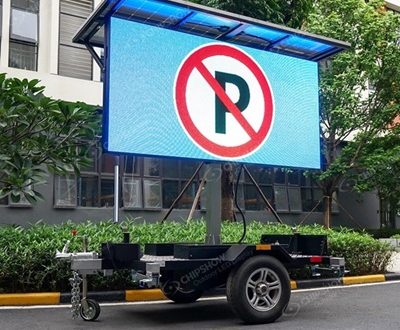
Weather doesn’t pause for your advertising campaign. Rain blurs visibility, high winds threaten structural integrity, and scorching summer heat can degrade display quality within months. For marketers investing in outdoor advertising, these aren’t hypothetical risks — they’re daily realities that directly impact return on investment.
Variable Message Signs (VMS) have emerged as a powerful answer to these challenges. Unlike static billboards locked into a single message, VMS technology delivers dynamic, real-time content that can be updated instantly to match audience behavior, time of day, or promotional needs. But for roadside advertising to truly succeed, the hardware must go beyond smart software — it needs to withstand the elements without compromise.
All-weather VMS combines rugged construction with advanced display technology to keep your messaging sharp and consistent regardless of conditions. From wind-resistant billboard frames engineered for storm-force gusts to precision pixel pitch configurations that maintain clarity across long distances, these systems are built for performance where it matters most. This article explores how all-weather VMS can transform your outdoor advertising strategy, reduce long-term costs, and deliver the visibility your brand deserves — rain or shine.
Understanding Variable Message Signs (VMS) for Outdoor Advertising
Variable Message Signs are electronic display systems capable of showing changing text, graphics, and animations in real time. Originally developed for traffic management and highway information, VMS technology has made a significant leap into commercial outdoor advertising — and for good reason. Unlike a printed billboard locked into a single creative for weeks or months, a VMS unit allows advertisers to push new content instantly, respond to live events, and tailor messaging to specific audiences throughout the day.
For roadside advertising, this versatility is transformative. A retail brand can promote a morning coffee deal at 7 a.m. and switch to a lunch offer by noon — all without a crew, a printer, or a delay. Event organizers can update directional messaging as crowds shift. Emergency promotions can go live within minutes of a business decision. This level of agility simply isn’t possible with traditional static formats.
What sets VMS apart from conventional digital displays is its design intent. These systems are engineered specifically for outdoor environments where readability at speed and distance is non-negotiable. High-brightness panels, wide viewing angles, and robust enclosures make them suited for highways, busy intersections, and open commercial zones. As consumer attention becomes harder to capture, marketers are increasingly turning to VMS not just as a display tool, but as a strategic asset that keeps their messaging relevant, timely, and impossible to ignore.
The Importance of All-Weather Durability in VMS
Outdoor advertising doesn’t get the luxury of controlled conditions. A VMS unit installed along a coastal highway faces salt-laden winds, sudden downpours, and UV exposure that can degrade lesser displays within a single season. For advertisers, a sign that goes dark or distorts color mid-campaign isn’t just an inconvenience — it’s lost revenue and damaged brand credibility. All-weather durability isn’t a premium add-on; it’s the foundation that makes outdoor VMS investment worthwhile.
Wind-resistant billboard construction is among the most critical engineering considerations for roadside VMS. Frames engineered to withstand sustained wind loads — often rated to 130 mph or higher in storm-prone regions — use reinforced steel mounting systems and aerodynamic cabinet designs that reduce wind drag rather than fighting it head-on. This structural integrity protects both the display hardware and the surrounding installation, minimizing the risk of catastrophic failure during severe weather events.
Beyond structural strength, all-weather display technology addresses what happens inside the cabinet. Sealed enclosures with IP65 or higher ratings prevent moisture ingress during heavy rain, while internal thermal management systems — including active cooling fans and heating elements — keep electronics operating within safe temperature ranges whether the mercury climbs above 40°C in summer or drops below freezing in winter. Corrosion-resistant aluminum alloys and powder-coated finishes protect against rust and surface degradation over years of continuous outdoor exposure.
Key Components for Weather Resistance
Reliable all-weather performance comes down to specific, verifiable components. Gasket-sealed front panels and rear access doors prevent water penetration even under driving rain. Polycarbonate or tempered glass face panels resist impact from debris while maintaining optical clarity. Internally, conformal-coated circuit boards protect against condensation and humidity that would otherwise corrode solder joints over time. Reputable manufacturers — such as Chipshow LED, whose outdoor panels are built to IEC 60529 ingress protection standards — subject their units to standardized testing including ASTM wind-load certifications, giving buyers measurable benchmarks rather than marketing claims. These engineering choices translate directly into lower maintenance costs, fewer emergency service calls, and a display that performs consistently across its full operational lifespan.
Enhancing Visibility with Key Technical Features
A weather-proof enclosure keeps a VMS unit alive, but it’s the display technology inside that determines whether your advertising actually works. For roadside applications, visibility isn’t just about brightness — it’s the combined result of pixel pitch, contrast ratios, color accuracy, and viewing angles working together to deliver a legible, compelling message to a driver passing at 60 mph in full afternoon glare or evening rain.
Brightness is the most immediately obvious factor. High-performance outdoor VMS panels typically operate between 5,000 and 10,000 nits, with automatic dimming sensors that scale output based on ambient light. This means the display remains readable in direct sunlight without blinding viewers at night — a balance that static backlit signs simply cannot achieve. Contrast ratios above 3,000:1 ensure text and graphics stand out sharply against both bright and dark backgrounds, while wide color gamuts reproduce brand colors accurately rather than washing them out under UV exposure over time.
Viewing angle matters more than many advertisers realize. A display with a 140-degree horizontal viewing cone ensures that drivers approaching from either direction catch the full message, not just a faded edge-on glimpse. Vertical angles are equally important at elevated installation heights, where steep downward viewing can distort color and reduce contrast on lower-quality panels.
Optimizing Pixel Pitch for Maximum Impact
Pixel pitch — the millimeter distance between the center of one LED cluster and the next — directly controls how sharp an image appears at a given viewing distance. A tighter pitch, such as P6 or P8, packs more pixels into the same surface area, producing finer detail suited for displays viewed from 15 to 30 meters. For highway billboards read from 50 meters or beyond, a P10 or P16 pitch delivers equally clear results at a lower hardware cost, since the human eye cannot resolve the additional pixel density at that distance anyway.
Choosing the wrong pitch is a common and costly mistake. Over-specifying a tight pitch for a distant highway location wastes budget without improving perceived quality. Under-specifying for a busy urban intersection where pedestrians stand within 10 meters produces blocky, unprofessional imagery that undermines brand credibility. The practical guideline is straightforward: divide the minimum viewing distance in meters by 10 to estimate the appropriate maximum pixel pitch in millimeters. A sign viewed from 80 meters can use up to P8 effectively, while a transit shelter display at 5 meters demands P4 or finer. Matching pitch to context is one of the highest-impact decisions in VMS specification, directly shaping how audiences perceive your advertising investment.
Solutions for Effective Roadside Advertising with VMS
Deploying a VMS campaign successfully requires more than purchasing the right hardware. Advertisers who see the strongest returns treat VMS as an integrated system — one where site selection, content strategy, scheduling logic, and performance monitoring work together rather than in isolation. Getting this foundation right from the start prevents costly adjustments later and ensures your all-weather display investment pays off across every season.
Site selection sets the ceiling for everything else. Prioritize locations with unobstructed sightlines of at least 50 meters, minimal competing signage, and high daily traffic volume from your target demographic. Check local zoning ordinances early — many municipalities impose height restrictions, brightness limits, and content regulations specific to roadside digital signage. Securing the right permits before installation avoids delays that can push a campaign weeks past its intended launch.
Content designed for VMS differs fundamentally from print or social media creative. Messages must communicate in under three seconds for drivers traveling at highway speeds, which means limiting copy to seven words or fewer per frame, using high-contrast color combinations, and avoiding fine detail that pixel pitch cannot resolve at distance. Scheduling content dynamically — commuter-focused messaging during peak morning and evening hours, promotional offers during midday retail windows — dramatically increases relevance without additional hardware investment.
Integrating VMS with broader digital strategies amplifies impact. Synchronizing sign content with social media campaigns, geofenced mobile ads, or time-sensitive promotions creates a consistent brand experience across channels. Many modern VMS platforms offer remote content management via cloud dashboards, enabling real-time adjustments based on inventory levels, weather conditions, or competitor activity.
Step-by-Step Implementation Guide
A structured approach removes guesswork and keeps campaigns on schedule. Start by defining specific advertising goals — whether that’s driving foot traffic, building brand awareness, or promoting time-sensitive offers — and identify the audience segments most likely to encounter your chosen roadside location. From there, select a VMS unit whose wind-resistance rating, IP certification, and brightness specifications match the environmental demands of that specific site rather than generic averages. Once hardware is confirmed, develop a content calendar that maps creative to audience behavior patterns across different times of day and week. After launch, use the platform’s analytics tools to track impression estimates, content engagement patterns, and any performance anomalies that may signal maintenance needs. Finally, conduct a quarterly compliance review to confirm your signage continues to meet local authority requirements, particularly if regulations in your region are updated — staying ahead of this protects your installation from forced downtime.
Choosing the Right VMS for Your Advertising Needs
Selecting a VMS unit that genuinely serves your campaign requires weighing several interdependent factors rather than optimizing for any single specification. Durability, pixel pitch, all-weather capability, and total cost of ownership all interact — a lower-priced unit that requires frequent servicing or fails prematurely will cost significantly more over a three-year deployment than a better-engineered alternative purchased at a higher upfront price.
Start with environmental demands. A unit destined for a coastal or storm-prone location needs verified IP65 or IP66 ratings and wind-load certifications appropriate for that region — not just general outdoor suitability claims. Match pixel pitch to your specific viewing distances using the guidelines covered earlier, and confirm that brightness output meets at least 5,000 nits for full sunlight readability. Budget-conscious buyers can often find mid-range units that meet these benchmarks without paying for premium specifications their location doesn’t require.
Vendor support deserves equal weight in the decision. A manufacturer offering remote diagnostics, firmware updates, and responsive field service reduces operational risk considerably — particularly for advertisers running time-sensitive campaigns where downtime directly translates to lost impressions. Request documentation on mean time between failures (MTBF) and ask for references from deployments in comparable climates. Warranties covering both hardware components and LED modules for a minimum of three years signal a manufacturer confident in their product’s longevity. Prioritizing long-term value over the lowest initial quote is consistently the decision that experienced outdoor advertisers report as their most important lesson learned.
Building a Resilient Outdoor Advertising Strategy with All-Weather VMS
All-weather VMS represents one of the most significant advances in outdoor advertising available to marketers today. Throughout this article, we’ve seen how rugged construction — from IP-rated enclosures and wind-resistant frames to corrosion-proof materials — keeps displays operational through conditions that would sideline lesser hardware. We’ve explored how pixel pitch, brightness, and viewing angles combine to deliver messaging that genuinely reaches audiences at roadside speeds. And we’ve outlined a practical path from site selection through performance monitoring that transforms hardware investment into measurable campaign results.
For advertisers still relying on static formats, the gap in flexibility and resilience is only widening. The ability to update content in real time, respond to weather-driven audience behavior, and maintain display quality across years of outdoor exposure gives VMS adopters a compounding advantage over competitors locked into printed creative cycles.
The next step is straightforward: audit your current outdoor advertising locations against the environmental and visibility criteria covered here, then engage a reputable VMS supplier with certified all-weather specifications for those specific sites. As LED efficiency continues to improve and cloud-based content management becomes more sophisticated, the capabilities of outdoor VMS will only expand — making now the right moment to build this technology into your long-term advertising infrastructure.