 Isaiminia World Breaking News & Top Stories
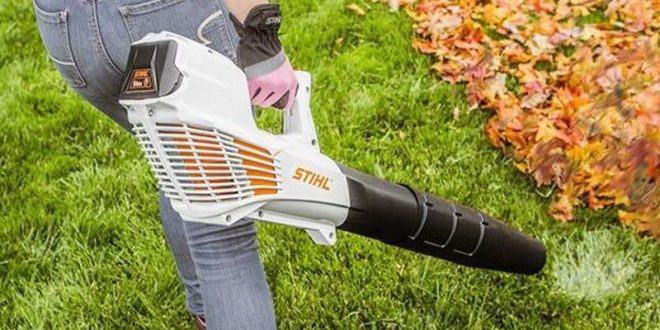
For many homeowners, the arrival of autumn is a bittersweet transition. While the crisp air and changing colors are beautiful, the inevitable blanket of debris left behind can feel like an endless chore. If you have spent years raking until your back aches, you know that efficiency isn’t just a luxury—it is a necessity. Finding the right leaf blower is the most effective way to reclaim your weekends and keep your property looking pristine without the physical toll of manual labor.
However, walking into a home improvement store can be overwhelming. With a dizzying array of handheld, backpack, gas, and cordless models, how do you determine which one actually fits your specific landscape? Choosing the wrong tool often leads to one of two problems: you either end up with a machine that lacks the “oomph” to move wet debris, or you overspend on a heavy, professional-grade beast that is overkill for a small suburban lot.
Assessing Your Yard: The “Acreage vs. Obstacle” Rule
Before looking at specs like CFM or MPH, look at your land. The physical size of your yard is the primary factor, but the layout matters just as much.
A wide-open quarter-acre lot with two trees requires a different approach than a tiny courtyard packed with delicate flower beds and heavy patio furniture. In my fifteen years of maintaining various landscapes, I’ve found that the “path of least resistance” usually involves matching the power source to the distance you need to travel from the nearest power outlet.
Small Yards and Urban Spaces (Up to 1/4 Acre)
If you live in a townhouse or a standard suburban lot with minimal tree cover, you don’t need a massive engine. For these spaces, maneuverability is king.
Corded Electric Models
These are the most affordable and lightweight options. They offer unlimited runtime, which is great if you don’t mind managing an extension cord. However, the “leash” usually limits you to about 100 feet from an outlet.
Compact Battery-Powered Blowers
For most modern homeowners, a 20V or 40V cordless unit is the sweet spot. They are quiet enough to keep the neighbors happy on a Sunday morning and light enough to be operated with one hand while you move a trash can with the other.
Medium-Sized Properties (1/4 to 1/2 Acre)
Once you cross the quarter-acre threshold, corded models become a liability. You’ll find yourself constantly untangling cords from bushes or realizing you’re ten feet short of the back fence.
High-Voltage Cordless Tech
In recent years, battery technology has caught up to gas for medium-sized needs. Look for 60V or 80V systems. These provide the “scouring power” needed to lift matted, wet leaves off the grass.
Handheld Gas Blowers
While battery tech is surging, some still prefer the reliability of a small 2-stroke gas engine. These are great for longer sessions where you don’t want to wait for a battery to charge, though they do require fuel mixing and more frequent maintenance.
Large Lots and Wooded Estates (1/2 Acre and Above)
If you are dealing with a massive lawn or a property lined with mature oaks and maples, a handheld unit will likely lead to forearm fatigue long before the job is done.
Backpack Blowers
This is where ergonomics become vital. By shifting the weight of the engine and fuel (or battery) to your back, you can work for an hour or more without significant strain. Backpack models also generally offer much higher CFM (Cubic Feet per Minute), allowing you to move massive piles of leaves at once.
Understanding the Specs: CFM vs. MPH
Manufacturers love to splash big numbers on the box, but you need to know what they actually mean for your yard work.
- MPH (Miles Per Hour): This measures the speed of the air exiting the nozzle. High MPH is great for dislodging “stuck” debris, like wet leaves or pine needles caught in the grass.
- CFM (Cubic Feet per Minute): This measures the volume of air. This is actually the more important number for large yards. A high CFM allows you to push a wider “wall” of leaves, making the job go much faster.
Pro Tip: Look for a balance. A blower with 150 MPH but low CFM will feel like a laser pointer—you’ll move individual leaves quickly, but it will take forever to clear a whole lawn.
Battery vs. Gas: The Modern Debate
Ten years ago, gas was the only serious choice for power. Today, that has changed.
The Case for Battery
- Instant Start: No yanking on a pull-cord.
- Low Noise: Much easier on your ears (and your neighbors).
- Zero Emissions: No smelling like exhaust after a cleaning session.
- Less Maintenance: No oil changes, spark plugs, or winterizing fuel.
The Case for Gas
- Raw Runtime: You can work all day as long as you have a gas can.
- Initial Cost: Sometimes cheaper upfront than high-end battery kits with multiple chargers.
- Power Ceiling: The most powerful commercial-grade blowers are still predominantly gas-powered.
Choosing the Right Design: Handheld vs. Backpack vs. Walk-Behind
Handheld Blowers
Best for light-to-medium duty. They are excellent for clearing driveways, decks, and small lawns. Their main advantage is versatility; you can easily point them into corners or use them to clean out gutters with an attachment.
Backpack Blowers
The choice for anyone with more than a few trees. If your leaf-clearing sessions last longer than 20 minutes, your shoulders will thank you for choosing a backpack model. They are the workhorses of the residential world.
Walk-Behind Blowers
Only necessary for massive estates or professional landscapers. These look like lawnmowers and provide incredible force, but they are difficult to maneuver in tight spaces or on hills.
Essential Features to Look For
When shopping, don’t just look at power. Look at the “quality of life” features:
- Variable Speed Trigger: Crucial for blowing leaves out of mulch beds without blowing the mulch away too.
- Cruise Control: Allows you to set the power level so you don’t have to keep the trigger squeezed the entire time.
- Vibration Reduction: Essential for gas models to prevent your hands from going numb.
- Nozzle Shape: Tapered nozzles increase air speed, while flat nozzles are better for sweeping wide areas.
Common Mistakes to Avoid When Buying
One of the biggest mistakes I see is homeowners buying based on price alone. A cheap, underpowered blower will actually make your work harder because you’ll have to walk slower and get closer to every pile.
Another mistake is ignoring the weight. Always try to “test-drive” the weight in the store. If a handheld unit feels heavy after 30 seconds of holding it, imagine how it will feel after 30 minutes of swinging it back and forth.
Tips for Efficient Leaf Clearing
- Work with the Wind: Never blow against the wind. Even a slight breeze can ruin your progress.
- The Tarp Method: Instead of blowing leaves all the way to the curb, blow them onto a large tarp, then drag the tarp to your disposal area.
- Dry is Better: Whenever possible, wait for a dry day. Wet leaves are significantly heavier and stick to the ground, requiring twice the power to move.
Frequently Asked Questions (FAQ)
- Is a higher voltage battery always better?
Generally, yes. Higher voltage (like 60V or 80V) usually translates to more torque and better runtime for high-demand tasks. However, it also adds weight and cost. Match the voltage to your yard size.
- Can I use a leaf blower for snow?
Absolutely. Leaf blowers are excellent for clearing light, fluffy “powder” snow from cars and walkways. They do not work well for heavy, wet, or packed snow.
- Do I need a vacuum/mulcher feature?
Vacuum features are great for small flower beds where you can’t blow debris out. However, for large lawns, the bags fill up too quickly to be practical for the whole yard.
- How much CFM do I really need for a half-acre?
For a half-acre with several trees, I recommend looking for a unit with at least 450 to 500 CFM to ensure you aren’t spending your entire weekend on the lawn.
Conclusion
Choosing the right tool is about balancing power, comfort, and budget. By accurately assessing your yard size and being realistic about how much “muscle” you need, you can turn a grueling seasonal chore into a manageable afternoon task. Whether you opt for the quiet convenience of a modern battery unit or the rugged endurance of a gas engine, the right choice will keep your property looking its best for years to come.