Isaiminia World Breaking News & Top Stories
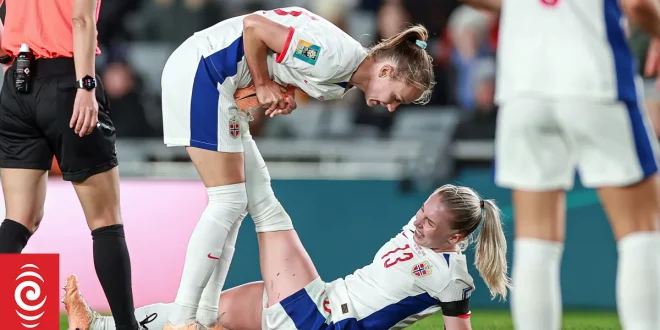
When a player suddenly drops with cramp in the 85th minute, commentary still reaches for easy explanations like “not enough water” or “needs more electrolytes”, but modern evidence paints a more complex picture. Research on exercise-associated muscle cramps (EAMC) points toward muscle fatigue and altered neuromuscular control in overworked muscles as the dominant drivers, with hydration and electrolytes acting more as modifiers than single causes. For viewers who watch full matches rather than short highlights, understanding that shift changes how you interpret late-game cramp events—as signals about intensity management, conditioning and tactical load rather than just poor preparation.
Why Dehydration Alone Doesn’t Explain On-Pitch Cramps
Classic theories linked cramps to dehydration and electrolyte loss, assuming that heavy sweating and low sodium levels made muscles “lock up” under stress. However, multiple field studies in endurance and team sports have found that athletes who cramp often show similar hydration and serum electrolyte levels to those who do not, undermining the idea that systemic fluid status is the main driver. This mismatch between older theories and newer data is why current views treat dehydration and electrolyte shifts as contributing factors that may increase susceptibility in some conditions, but not as the primary explanation for the cramps you see on match day.
How Neuromuscular Fatigue Really Triggers Football Cramps
The leading modern hypothesis is the “altered neuromuscular control” theory, which links cramp to fatigue in specific, heavily used muscles rather than whole-body fluid balance. As muscles tire, sensory feedback from muscle spindles and Golgi tendon organs becomes imbalanced, pushing motor neurons toward hyperexcitability and causing sudden, involuntary contractions in the exact muscles that have been repeatedly loaded. In football terms, that is why cramp typically shows up in calves and hamstrings of players who have sprinted and decelerated all game, not evenly across the whole body, and why it clusters in those who have been pushed beyond their usual intensity.
Mechanisms: From Fatigue To Localised Cramp
Evidence summaries on EAMC highlight that cramp is usually localised to overworked muscle groups and often appears after prolonged or unusually intense efforts, especially on challenging terrain or surfaces. As fatigue accumulates, reduced inhibitory input from Golgi tendon organs and increased excitatory input from muscle spindles shift the balance of signals at the spinal cord, making alpha motor neurons more likely to fire uncontrollably. This neural imbalance, rather than simple fluid loss, is why passive stretching—which lengthens the muscle and changes sensory input—often relieves cramp quickly, lending further support to the neuromuscular control model.
What Live Viewers Can Infer About Load, Tactics And Conditioning
From a viewing perspective, on-pitch cramp is often a visible marker of how hard a game has been, how well players are conditioned for that specific intensity, and how the tactical setup has distributed workload. If a team switches from a mid-block to full-pitch pressing late in the season or faces extra time after a sequence of high-intensity fixtures, spikes in cramp can point to a mismatch between current fitness and tactical demands rather than simply “not drinking enough”. Similarly, heavy cramp episodes concentrated in certain positions—overlapping full-backs or wingers repeatedly asked to track back deep—hint that those roles have been overloaded relative to others in the same system.
How Watching ดูบอลสด Changes Your Sense Of Cramp Risk
Following full matches live rather than just goal clips lets you track when and how a player accumulates fatigue before cramp appears. When you watch ดูบอลสด with an eye on repeated sprints, recovery runs and pressing actions, you start to anticipate which players are at risk long before they drop to the turf—because you have seen them stretch for long diagonals, chase back from advanced positions and contest aerial duels without much rest. Over a season, that perspective helps you separate games where cramp reflects extreme one-off effort, such as extra time in tournaments, from those where chronic overload, limited rotation or sudden intensity jumps have pushed certain individuals beyond their adaptation level.
Why Some Players Cramp More Than Others In Similar Conditions
Not all players cramp at the same rate, even under similar match demands, which points to individual risk factors beyond single-game hydration. Studies and reviews of EAMC identify previous cramp history, higher exercise intensity, inadequate conditioning, and abrupt increases in training or match load as consistent predictors of future episodes. Biomechanics, playing surface, and even genetic predisposition may also contribute, meaning that some players will always sit closer to the “cramp threshold” and require more careful load management during congested periods.
Comparing Key Theories Behind Exercise-Associated Cramp
Modern reviews often contrast the older “electrolyte depletion/dehydration” theory with the newer neuromuscular control model, using field data to assess which better fits observed cramp patterns. The table below summarises the core ideas and how they map onto what you see during football matches, highlighting why many sports physicians now prioritise fatigue management over salt tablets as a first line of thinking.
| Theory | Core idea | Evidence fit with football cramp patterns |
| Electrolyte depletion / dehydration | Whole-body fluid and electrolyte loss cause cramp | Weak: cramp often occurs with normal hydration/electrolytes, highly localised to overused muscles |
| Altered neuromuscular control (fatigue) | Local muscle fatigue disrupts nerve–muscle balance | Strong: cramps in specific, overworked muscles late in intense games; stretching often relieves |
For viewers, this comparison supports a shift in how you interpret late-game scenes: instead of assuming a “hydration mistake”, you can see recurrent cramp in particular roles or teams as a sign that physical preparation, rotation or tactical demands may not be fully aligned with the match schedule. That lens also explains why simple sideline fixes such as bananas or salt drinks rarely change the pattern once severe fatigue has already accumulated.
Practical Checklist For Reading Cramp Episodes In Real Time
To bring these ideas into live viewing, it helps to use a simple mental checklist whenever cramp incidents start to appear, especially in hot conditions or extra-time scenarios. Rather than treating each case as random, you can link them back to patterns of load, conditioning and tactical choices, which makes your interpretation closer to how performance staff review the same footage after the match.
- Track which positions cramp first—wide players, box-to-box midfielders and high-press forwards often show issues before centre-backs, reflecting their sprint and deceleration load.
- Note match context: extra time, high pressing, or a team chasing the game typically multiplies repeated high-intensity actions, increasing neuromuscular fatigue.
- Consider schedule density and rotation—players starting their third game in a week under heavy tactical demands sit closer to the fatigue threshold.
- Watch how quickly cramp spreads across multiple players on one side; widespread late-game cramp can signal systemic load and conditioning issues rather than individual mistakes.
- Observe response after treatment—if a player repeatedly cramps after brief stretching and fluids, it suggests deeper fatigue that may limit their contribution in subsequent phases or matches.
Using this checklist turns cramp from a minor sideshow into a tactical and physical clue about how a match is unfolding and how sustainable a team’s current effort level really is. Over a season, recognising those signals helps you predict when high-intensity styles might start to exact a cost in the final minutes or during crucial extra-time periods, long before the scoreboard reflects it.
Summary
On-pitch cramp in ดูบอลไม่กระตุก โกลแดดดี้ is now best understood as a multifactorial phenomenon dominated by local neuromuscular fatigue and altered nerve–muscle control, with dehydration and electrolyte changes acting as secondary contributors rather than primary causes. Individual risk factors such as previous cramp history, conditioning level, abrupt load increases and playing surface all shape who cramps and when, which is why episodes often cluster in specific high-intensity roles or during congested fixtures. For live viewers, the most productive way to read cramp is as a visible indicator of how hard and how sustainably a team has been pushed, offering insights into tactical demands, rotation choices and preparation quality that go far beyond whether someone “drank enough water” before kick-off.