Isaiminia World Breaking News & Top Stories
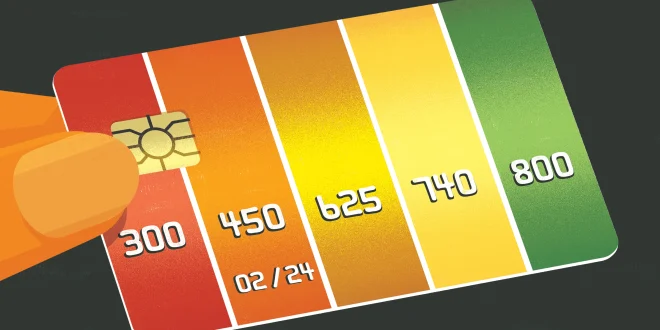
Credit building is often described as a numbers game. Pay bills on time, keep balances low, and your score gradually improves. While those rules are accurate, they miss an important reality. For many people, the hardest part is not following the rules. The hardest part is gaining access to the system in the first place. Secured credit cards quietly solve that problem by acting as a bridge between financial setbacks and financial credibility.
A secured credit card functions similarly to a traditional credit card, but it requires an upfront cash deposit that becomes the card’s credit limit. This deposit reduces the risk for lenders while giving cardholders the opportunity to demonstrate responsible credit behavior. For individuals rebuilding after financial challenges, tools like secured cards often appear alongside other recovery strategies. Some people exploring ways to regain financial stability may research solutions such as a best debt settlement company to resolve outstanding obligations while simultaneously working to rebuild their credit profile.
Together, these strategies can create a path forward that restores both financial confidence and access to credit.
Why Access to Credit Matters More Than People Realize
Credit scores influence far more than credit cards or loans. They can affect housing applications, insurance rates, and even certain employment screenings. Without a strong credit history, everyday financial opportunities become harder to reach.
Unfortunately, people with limited or damaged credit histories often face a difficult cycle. Traditional credit cards and loans require good credit approval, but building good credit requires access to those very products.
Secured credit cards help break that cycle. By using a deposit as collateral, lenders can approve applicants who might otherwise be denied.
This structure opens the door for individuals to start demonstrating reliable credit behavior.
Understanding How Secured Credit Cards Work
The mechanics of a secured credit card are straightforward. When opening the account, the cardholder deposits a specific amount of money, often between two hundred and five hundred dollars. This deposit becomes the credit limit.
For example, a four hundred dollar deposit usually results in a four hundred dollar credit limit. The card then operates like a traditional credit card. Purchases are made with the card, monthly statements arrive, and payments must be made by the due date.
The critical difference is that the deposit protects the lender if the balance is not repaid.
More importantly, the account activity is typically reported to the major credit bureaus. These include Equifax, Experian, and TransUnion.
Reporting payment behavior allows responsible use of the card to contribute to a positive credit history.
The Consumer Financial Protection Bureau explanation of credit reports and scores highlights how payment history remains one of the most important factors influencing credit scores.
Consistent on time payments gradually strengthen credit profiles.
Building Trust Through Responsible Use
A secured credit card does not build credit simply by existing. The benefit comes from how the card is used.
Responsible usage involves three key behaviors. First, making every payment on time. Second, keeping the balance relatively low compared to the credit limit. Third, maintaining the account consistently over time.
Payment history carries the greatest weight in most credit scoring models. Missing payments can significantly damage a credit profile, while consistent payments demonstrate reliability.
Low balances also play an important role. Experts often recommend keeping balances below thirty percent of the credit limit.
For a four hundred dollar limit, that means keeping the balance under roughly one hundred twenty dollars whenever possible.
These habits signal responsible credit management to lenders and scoring models.
Graduating From Secured to Unsecured Credit
One of the most encouraging aspects of secured credit cards is that they often serve as temporary tools rather than permanent solutions.
Many lenders periodically review secured accounts. If a cardholder demonstrates consistent on time payments and responsible credit use, the lender may offer an upgrade to an unsecured credit card.
When that happens, the deposit is usually returned.
This transition marks a major step in rebuilding credit. It shows that lenders have regained confidence in the borrower’s financial behavior.
Even if a card does not automatically upgrade, the improved credit score can help cardholders qualify for traditional credit cards elsewhere.
Using Secured Cards Strategically
Secured credit cards work best when used intentionally rather than as everyday spending tools.
Many financial experts suggest assigning the card to a single predictable expense. Examples might include a streaming subscription, utility bill, or monthly phone payment.
Using the card for a consistent expense ensures activity on the account while making payments easier to manage.
Automatic payments can also help maintain consistency. Setting up automatic full balance payments reduces the risk of forgetting due dates.
These simple systems transform the secured card into a reliable credit building tool.
Financial education resources from organizations such as the Federal Trade Commission guidance on improving credit scores emphasize the importance of steady habits over time.
Credit building is less about dramatic actions and more about consistent behavior.
The Psychological Benefit of Credit Progress
Beyond the technical mechanics of credit scores, secured credit cards often provide an important psychological benefit.
Rebuilding credit can feel intimidating after financial setbacks. Each positive step, however small, can restore a sense of control.
Seeing a credit score gradually improve reinforces confidence. That confidence often encourages people to continue strengthening their financial habits.
Progress in credit rebuilding reminds individuals that financial mistakes do not define their future permanently.
A Small Tool With Long Term Impact
Secured credit cards may appear simple, but their impact can be significant. By offering access to credit while minimizing risk for lenders, they create opportunities for people to rebuild financial credibility.
When used responsibly, these cards become stepping stones toward stronger credit profiles, better financial opportunities, and renewed financial confidence.
Credit rebuilding rarely happens overnight. It grows through consistent actions, responsible decisions, and patience.
Secured credit cards provide a practical place to begin that journey.